Article
How do you support someone living with dementia?
21 Sep, 2026
Supporting someone living with dementia is about much more than managing memory loss. Dementia can affect communication, confidence, behaviour, mobility and a person’s ability to carry out everyday activities, but exactly how it affects someone varies considerably.
Good dementia support therefore begins with the individual: who they are, what matters to them and what they can still do.
Encourage independence
It can be tempting to begin doing things for someone when they find tasks more difficult, but maintaining independence wherever possible can be important.
Breaking activities into manageable steps, allowing additional time and offering gentle prompts can help someone continue participating in familiar routines.
A person’s abilities can also change as dementia progresses, so support should adapt with them rather than assuming that a particular approach will always be appropriate.
Make communication easier
Dementia can make it harder to find words, follow conversations or process information.
Using straightforward language, allowing plenty of time for a response and reducing distractions can make conversations easier. Facial expressions, gestures and other forms of non-verbal communication can become increasingly valuable as someone’s dementia progresses.
Most importantly, the person should continue to be included in conversations and decisions concerning their life wherever possible.
Create familiarity and routine
Familiar surroundings and routines can provide reassurance for someone living with dementia.
Photographs, music, treasured possessions and familiar activities can all help create connections with a person’s identity and history. The NHS notes that reminiscence and life story work, which can involve photographs, keepsakes and conversations about past experiences, can improve mood and wellbeing.
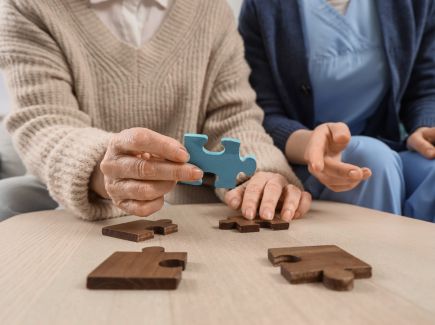
Activities do not need to be complicated. Gardening, music, gentle exercise, baking, crafts or simply spending time with other people can provide enjoyment and a sense of purpose when they are matched to the individual’s interests and abilities.
Remember the person behind the diagnosis
Perhaps the most important principle of dementia care is remembering that dementia does not define a person.
Their personality, preferences, relationships and life experiences remain important. Understanding someone’s history can help carers recognise why particular routines, objects, places or activities matter to them.
This person-centred approach is also central to Glenholme’s dementia care. Care plans are tailored around individual needs, preferences and routines, with adapted environments and activities designed to help residents feel safe, supported and engaged. Families are involved throughout the care journey and their knowledge of their loved one is incorporated into care planning.
Discover Glenholme’s approach to dementia care
Support for carers matters too
Caring for someone with dementia can be rewarding, but it can also become demanding, particularly as their needs increase.
Accepting support does not have to mean immediately considering permanent residential care. Glenholme’s respite care provides short-term stays for people who need additional support, while giving their usual carers an opportunity to rest and recharge. It can also give someone considering longer-term care an opportunity to experience life within a care home.
If someone’s needs increase further, different options may become appropriate. Glenholme provides residential and dementia care across its Senior Living homes, with nursing care also available at selected locations.
There is no single approach that works for every person living with dementia. Support should evolve with the individual, balancing safety with independence and focusing not only on what someone needs help with, but on what they enjoy, value and can continue to do.
For independent health information and further advice about dementia treatment and support, visit the NHS dementia guidance.